
"Zero waste" can sound like an all-or-nothing goal. In practice it's a direction, not a test, and the 5 Rs are one of the easiest ways to start. They put the options in order of impact: if you can't do the first, move on to the next.
The easiest waste to deal with is the waste that never comes home with you. Say no to single-use bags, free samples, straws, flyers and promotional freebies.
Buy fewer, better things. Choose products with less packaging, buy loose fruit and vegetables, and think twice before upgrading something that still works.
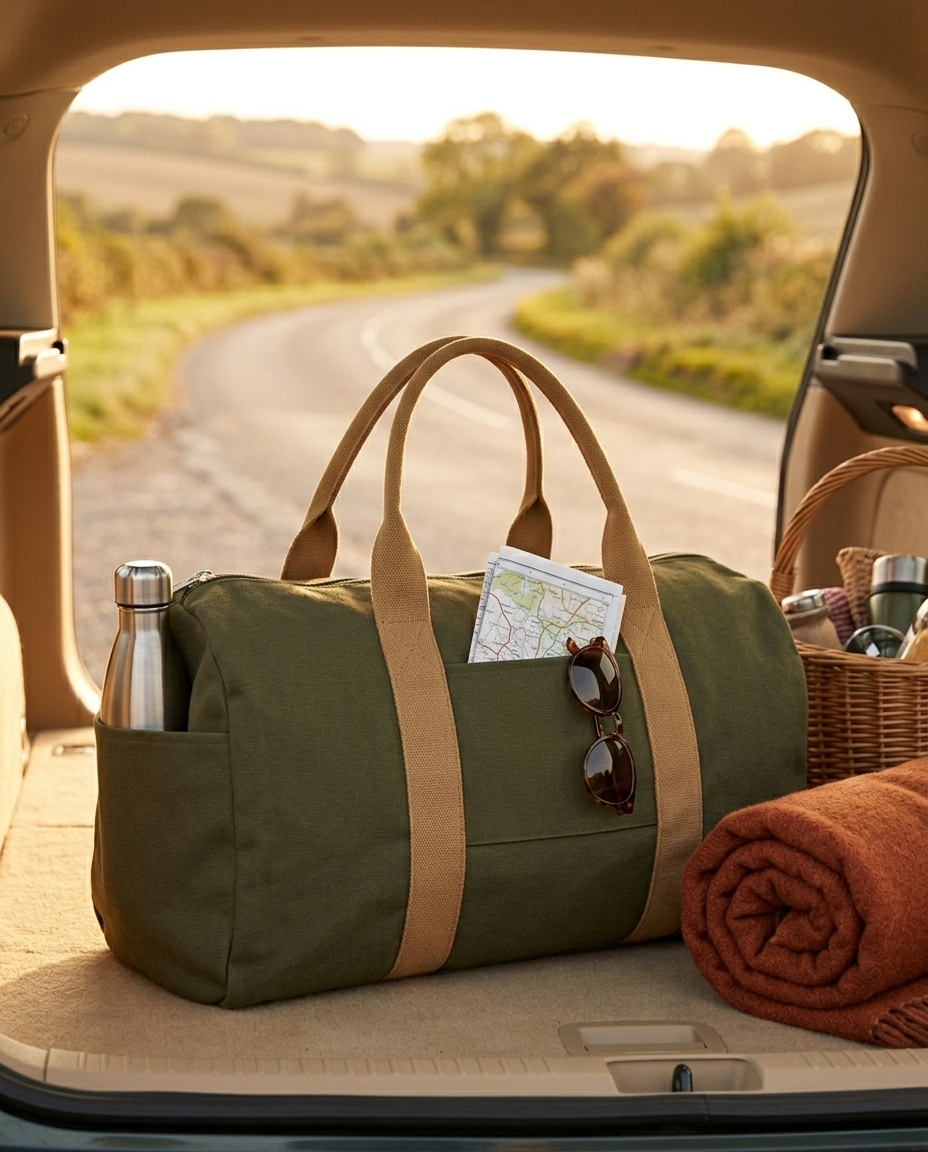
Carry a reusable bag, bottle and cup. Buy second-hand where you can, repair before replacing, and find new uses for jars, boxes and fabric.

Recycling matters, but it comes fourth for a reason: it still uses energy, and not everything put in the bin gets recycled. Sort carefully according to your local rules, and recycle what you couldn't refuse, reduce or reuse.
Compost what's left: food scraps, garden waste and plain paper can all turn back into soil.
Progress, not perfection.
Start with one R this week. For most people, the easiest first step is a reusable bag that lives by the front door.

Everyday cotton, made to last.